
Let’s be honest, cost is usually the first thing people think about when considering dental implants. You’re not just asking “How much does it cost?”, you’re wondering if it’s worth it, what you’re actually paying for, and whether there are any hidden fees along the way. If you’re in Pasadena and trying to make sense of the numbers, you’re in the right place. In this guide, we’ll break down real costs, what affects the price, and what you can expect, so you can make a confident, well-informed decision about your smile.
Average Cost of Dental Implants in Pasadena
If you’re researching dental implants, you’re likely looking for a clear number. While the exact cost can vary, having a realistic price range helps you understand what to expect and plan ahead.
Here’s the average cost of dental implants in Pasadena:
- Single dental implant (full procedure): typically ranges from $3,000 to $6,500 per tooth
- Implant-supported bridge: around $6,000 to $15,000, depending on the number of missing teeth
- Full arch implants (All-on-4 / All-on-X): approximately $15,000 to $30,000+ per arch
Because Pasadena is located in California, prices may be slightly higher than the national average due to advanced technology, high-quality materials, and experienced dental professionals.

It’s important to understand that dental implant pricing is not one-size-fits-all. Your final cost will depend on your specific needs, oral condition, and treatment plan. That’s why the most accurate way to determine your cost is through a personalized consultation.
Think of these numbers as a starting point, not a fixed price. The real value comes from a solution that is tailored to your smile and built to last for years.
What Is Included in the Cost of Dental Implants?
One of the biggest misconceptions about dental implants is that you’re only paying for a single “tooth.” In reality, the cost covers a complete process that’s carefully planned and executed to ensure long-term success.
Here’s what is typically included in the total cost:
- Comprehensive consultation and exam: A full evaluation of your oral health, including treatment planning tailored to your needs
- Digital imaging and diagnostics: X-rays or 3D scans used to assess bone structure and precisely plan implant placement
- Implant placement procedure: The surgical placement of the titanium implant into your jawbone
- Abutment (connector piece): The component that connects the implant to the final restoration
- Custom dental crown: A natural-looking crown designed to match your surrounding teeth
- Follow-up visits and monitoring: Post-procedure checkups to ensure proper healing and long-term success
Depending on your case, some treatments may be included or recommended separately, such as tooth extraction or bone grafting. This is why a personalized consultation is essential to understand exactly what your treatment will involve.
When you look at the full picture, the cost of dental implants reflects a comprehensive, high-quality solution designed to restore your smile with strength, precision, and long-term durability.
What Factors Affect the Cost of Dental Implants?
Dental implant costs can vary quite a bit, and there’s a good reason for that. In modern implant dentistry, every smile is different, and your treatment is carefully tailored to match your specific needs. Instead of a fixed price, it’s better to think of dental implants as a customized solution influenced by several key factors.
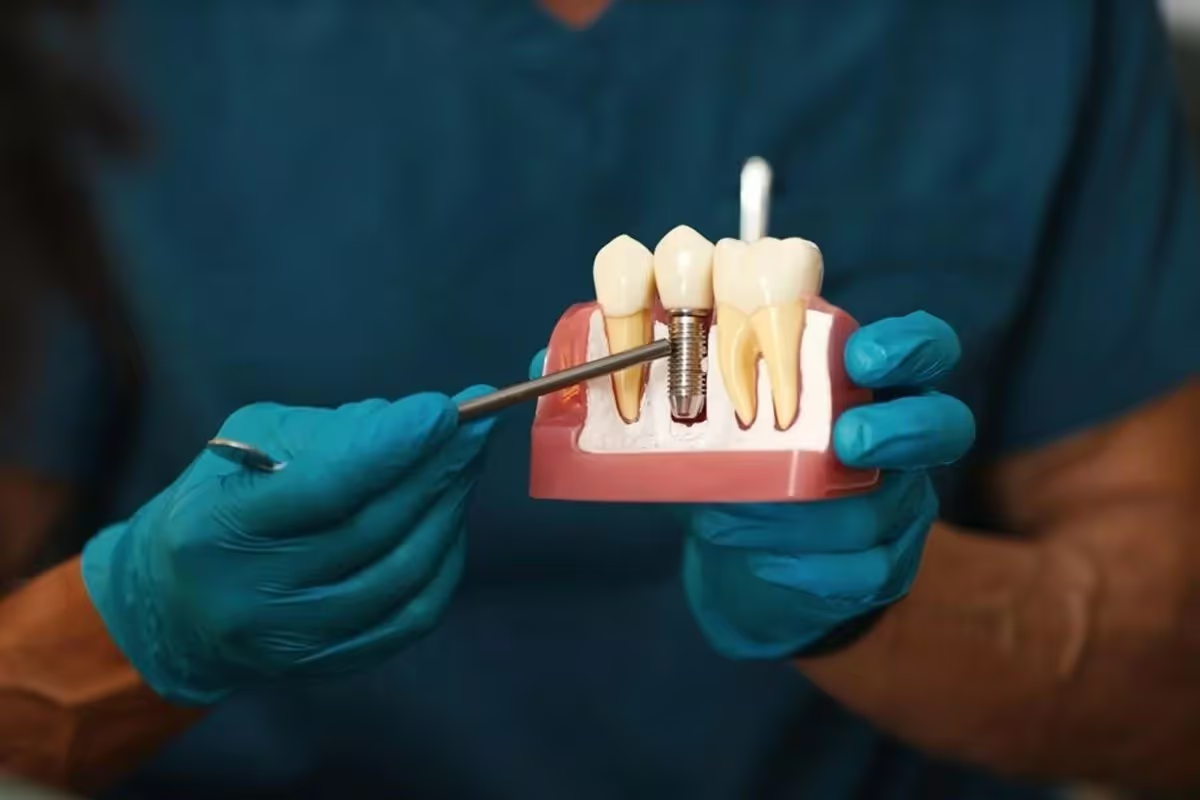
Let’s break down what really impacts the final cost:
1. Number of Implants Needed
The most straightforward factor is how many teeth you’re replacing.
- A single missing tooth requires one implant and one crown
- Multiple missing teeth may require several implants or an implant-supported bridge
- Full mouth restoration involves a more complex approach like All-on-4 or All-on-X
The more extensive the treatment, the higher the overall cost. However, advanced techniques often reduce the number of implants needed, helping optimize both results and budget.
2. Condition of Your Jawbone
A strong, healthy jawbone is essential for supporting dental implants.
- If your bone density is sufficient, the process is more straightforward
- If there is bone loss, procedures like bone grafting may be needed
While this can add to the cost, it significantly improves the long-term success and stability of your implant. Think of it as building a solid foundation before placing the final structure.
3. Type of Restoration
Not all implant restorations are the same, and the type you need will influence the cost.
- Single crown for one missing tooth
- Implant-supported bridge for multiple teeth
- Full arch restoration for complete smile replacement
Each option varies in complexity, materials, and lab work, which directly affects pricing. The goal is always to choose the solution that best fits your functional and aesthetic needs.
4. Materials Used
The quality of materials plays a major role in both cost and long-term results.
- Titanium implants are widely used for their strength and durability
- High-quality crowns (such as porcelain or zirconia) offer a more natural look
Premium materials may cost more upfront, but they often provide better aesthetics and longevity, making them a worthwhile investment.
5. Dentist’s Experience and Expertise
Dental implant procedures require precision, skill, and experience.
- Highly trained implant dentists may charge more
- Advanced expertise reduces risks and improves outcomes
Choosing an experienced provider is not just about the procedure itself, it’s about ensuring your implant lasts for many years without complications.
6. Technology and Treatment Planning
Modern dental technology can also influence the overall cost.
- 3D imaging and digital scans for precise planning
- Guided implant surgery for improved accuracy
- Advanced equipment for safer and more efficient procedures
While these technologies may increase the initial cost, they enhance comfort, reduce treatment time, and lead to more predictable results.
In the end, the cost of dental implants reflects more than just a single procedure. It’s a combination of personalized care, advanced technology, and long-term value. Understanding these factors helps you see not just the price, but the quality and durability behind your investment.
Additional Costs You Should Be Aware Of
While many parts of the dental implant process are included in the overall treatment plan, there are certain situations where additional procedures may be needed. Being aware of these potential costs upfront helps you avoid surprises and plan with confidence.
Here are some additional costs that may apply depending on your case:
- Tooth extraction: If the damaged tooth is still in place, it may need to be removed before the implant can be placed
- Bone grafting: If there isn’t enough bone to support the implant, a graft may be required to rebuild a strong foundation
- Sinus lift: For implants in the upper jaw, especially in the back, this procedure may be needed to create enough space for the implant
- Temporary restorations: In some cases, a temporary tooth or denture is placed while your implant heals
- Sedation or anesthesia options: Depending on your comfort level, additional sedation methods may be available
Not every patient will need these treatments, but when they are necessary, they play an important role in ensuring the success and longevity of your dental implant.
The best way to understand your full cost is through a personalized consultation, where your dentist can evaluate your condition and provide a clear, detailed breakdown tailored to your needs.
Does Insurance Cover Dental Implants?
If you’re considering dental implants, it’s completely normal to wonder how much your insurance will actually help. The answer is not always straightforward, but understanding how coverage works can help you plan more confidently.
In most cases, dental insurance does not fully cover the cost of implants. However, that doesn’t mean you won’t receive any support at all.
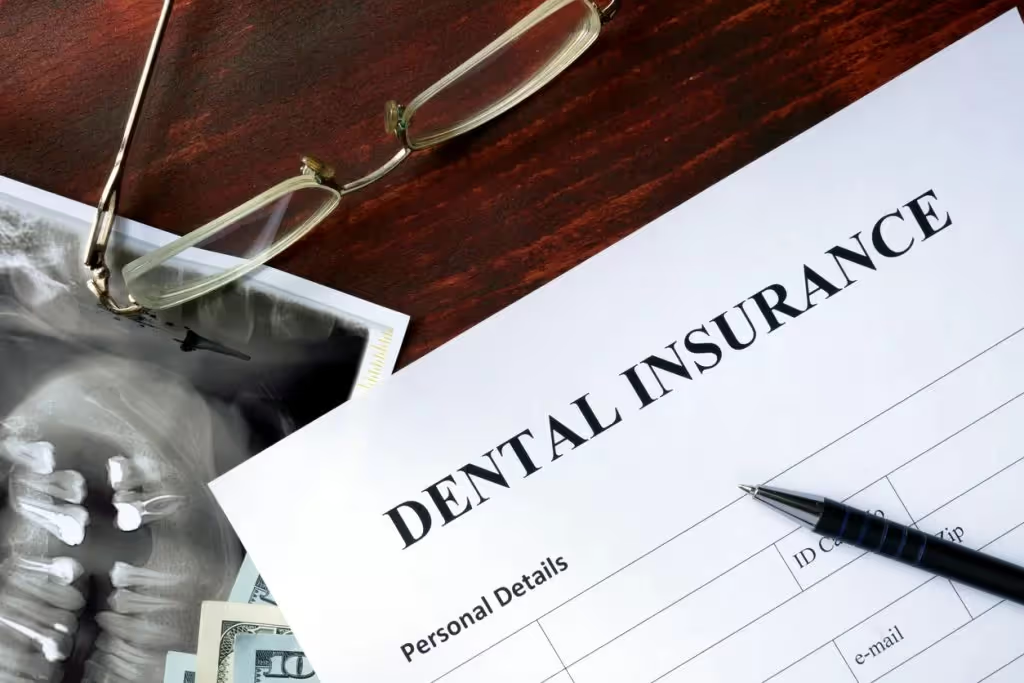
Here’s what you should know:
- Partial coverage may apply: Some insurance plans may cover certain parts of the procedure, such as tooth extraction, exams, or the final crown
- Medical insurance in specific cases: If tooth loss is related to an accident or medical condition, a portion of the treatment may be covered under medical insurance
- Coverage varies by provider: Every plan is different, so it’s important to review your benefits or speak directly with your insurance provider
- Annual limits may apply: Even if coverage is available, most plans have yearly maximums that may not cover the full treatment cost
To make dental implants more accessible, many dental offices offer flexible financing options or payment plans, allowing you to spread out the cost over time.
The best way to get a clear answer is to schedule a consultation. Your dental team can review your insurance benefits, explain what’s covered, and help you understand all available options, so you can move forward with confidence.
How to Choose the Right Implant Dentist in Pasadena
Choosing the right implant dentist is just as important as the procedure itself. Dental implants are a long-term investment, and the quality of your results depends heavily on the experience, technology, and care behind them. In a city like Pasadena, where you have many options, knowing what truly matters can help you make a confident decision.
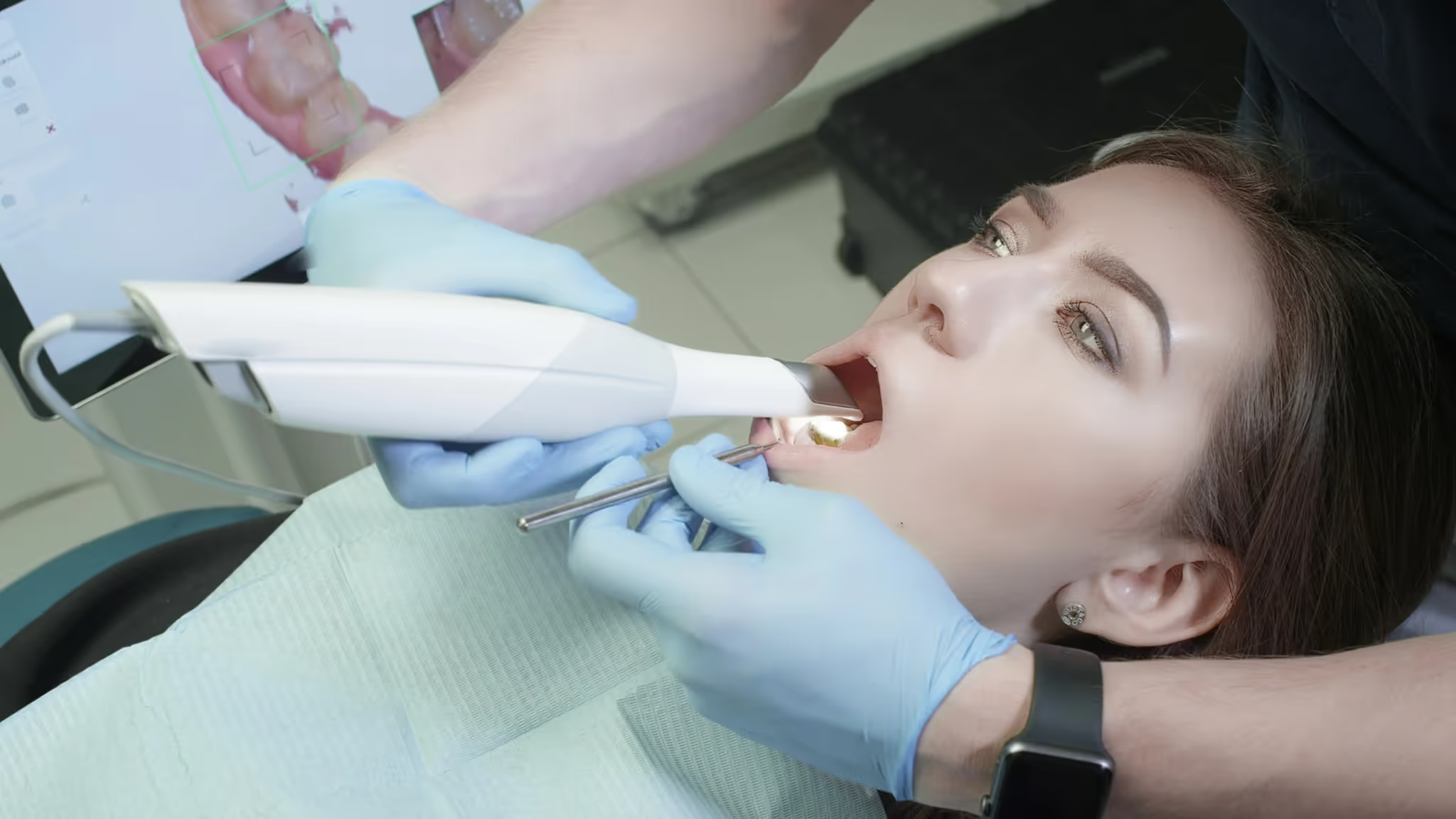
Here’s what to look for when choosing an implant dentist:
- Proven experience in implant dentistry: Dental implants require precision and advanced training. At Legacy Dental Pasadena, implant treatments are led by Dr. Sean Sunyoto, a highly trained implant specialist with over 1,000 implants placed and advanced credentials from the International Congress of Oral Implantologists
- Advanced technology for precision and safety: Modern implant dentistry relies on digital tools for accuracy. This includes 3D imaging, guided implant surgery, and digital planning systems that improve outcomes and reduce recovery time
- Comprehensive, in-house treatment: A great implant provider should handle everything from consultation to final restoration. This ensures consistency, better communication, and a smoother overall experience for the patient
- Personalized treatment approach: No two smiles are the same. The best dentists take time to understand your goals, evaluate your oral health, and create a plan tailored specifically to you, not a one-size-fits-all solution
- Strong patient trust and real results: Reviews, before-and-after cases, and patient testimonials say a lot. A practice with a long track record and hundreds of successful cases gives you added confidence in your decision
At the end of the day, choosing the right implant dentist isn’t just about credentials, it’s about trust. When you work with a team like Legacy Dental Pasadena, led by Dr. Sean Sunyoto, you’re choosing experience, advanced care, and a personalized approach focused on long-term results.
Because the right dentist doesn’t just replace missing teeth, they help restore your confidence for years to come.
Conclusion
When it comes to dental implants, cost is important, but it’s only one part of the bigger picture. What you’re really investing in is a long-term solution that restores your ability to eat comfortably, speak clearly, and smile with confidence every day.
By now, you have a clearer understanding of what dental implants cost in Pasadena, what’s included, and the factors that can influence your final price. More importantly, you can see why no two treatment plans are exactly the same and why a personalized approach always delivers the best results.
At Legacy Dental Pasadena, every implant treatment is carefully planned with your needs, comfort, and long-term outcomes in mind. With advanced technology and the expertise of Dr. Sean Sunyoto, you’re not just getting a procedure, you’re getting a solution designed to last.
A single dental implant at Legacy Dental Pasadena typically costs between $3,000 and $6,500, including the implant post, abutment, and custom crown. Your final price depends on bone condition, materials selected, and any preparatory procedures needed. We provide a transparent, written treatment plan after your consultation so you know the exact cost upfront, with no hidden fees.
Dental implants in Pasadena cost more because they replace the entire tooth structure from root to crown, not just the visible part. At Legacy Dental Pasadena, your investment covers FDA-approved titanium posts, 3D digital imaging, guided implant surgery, and Dr. Sean Sunyoto's expertise from over 1,000 successful implant placements. Unlike bridges or dentures that need replacement every 5-10 years, implants are designed to last decades.
At Legacy Dental Pasadena, your dental implant cost includes the comprehensive consultation, 3D CBCT imaging, surgical placement of the titanium implant, abutment, custom-designed crown, and all follow-up visits. We handle the entire process in-house, from initial diagnosis to final restoration, so you avoid surprise referral fees common at other Pasadena dental offices.
There are no hidden costs at Legacy Dental Pasadena. However, some patients require additional procedures such as bone grafting ($500-$3,000), tooth extraction ($200-$600), or sinus lift ($1,500-$5,000) before implant placement. After your consultation with Dr. Sean Sunyoto, you receive a detailed written estimate covering every step of your treatment.
Most dental insurance plans do not fully cover dental implants, but many plans cover related procedures like extractions, crowns, or exams. Legacy Dental Pasadena accepts most major PPO insurance plans and helps you maximize your benefits. We also accept CareCredit financing and HSA/FSA accounts to make implant treatment more affordable for patients in Pasadena, San Marino, and surrounding areas.
Yes, dental implants are typically the most cost-effective tooth replacement option long-term. While the upfront investment is higher, implants placed at Legacy Dental Pasadena have a success rate above 95% and can last 25 years or longer with proper care. Compared to dentures or bridges that need replacement every 5-10 years, implants save you thousands in long-term repair and replacement costs.
Legacy Dental Pasadena offers multiple financing options to make dental implants accessible. We accept CareCredit (with 0% interest plans for qualified patients), HSA/FSA accounts, and most major PPO insurance plans. Our front office team works with each patient individually to break down treatment into manageable monthly payments, so cost never has to delay restoring your smile.
Dental implants in Pasadena and California typically cost 10-20% more than the national average due to higher operating costs, advanced technology, and stricter clinical standards. At Legacy Dental Pasadena, your investment also reflects Dr. Sean Sunyoto's specialized credentials from the International Congress of Oral Implantologists (ICOI) and our use of premium implant brands like Straumann and Nobel Biocare for guaranteed long-term results.
Full mouth dental implants at Legacy Dental Pasadena typically range from $20,000 to $35,000 per arch, depending on materials, bone condition, and restoration type. Dr. Sean Sunyoto specializes in All-on-4 and All-on-X procedures, providing fixed, non-removable teeth using just 4 to 6 implants per arch. This is a permanent alternative to traditional dentures and a life-changing option for patients with multiple missing teeth.
The most accurate way to get your dental implant cost is through a personalized consultation at Legacy Dental Pasadena. During your visit, Dr. Sean Sunyoto evaluates your oral health, takes 3D imaging, and creates a customized treatment plan with itemized pricing. Call us at (626) 584-1800 to book your consultation. We proudly serve Pasadena, San Marino, South Pasadena, Arcadia, Altadena, La Cañada Flintridge, and surrounding areas.