
Completing your Invisalign treatment is an exciting milestone - but maintaining your results requires ongoing care. These important instructions to protect your smile after treatment will help ensure your teeth stay in their new, aligned position.
Without proper retainer use, teeth can gradually shift back over time. That’s why wearing and caring for your retainer correctly is just as important as the treatment itself.
First 3 Months After Treatment: Full-Time Wear Is Critical
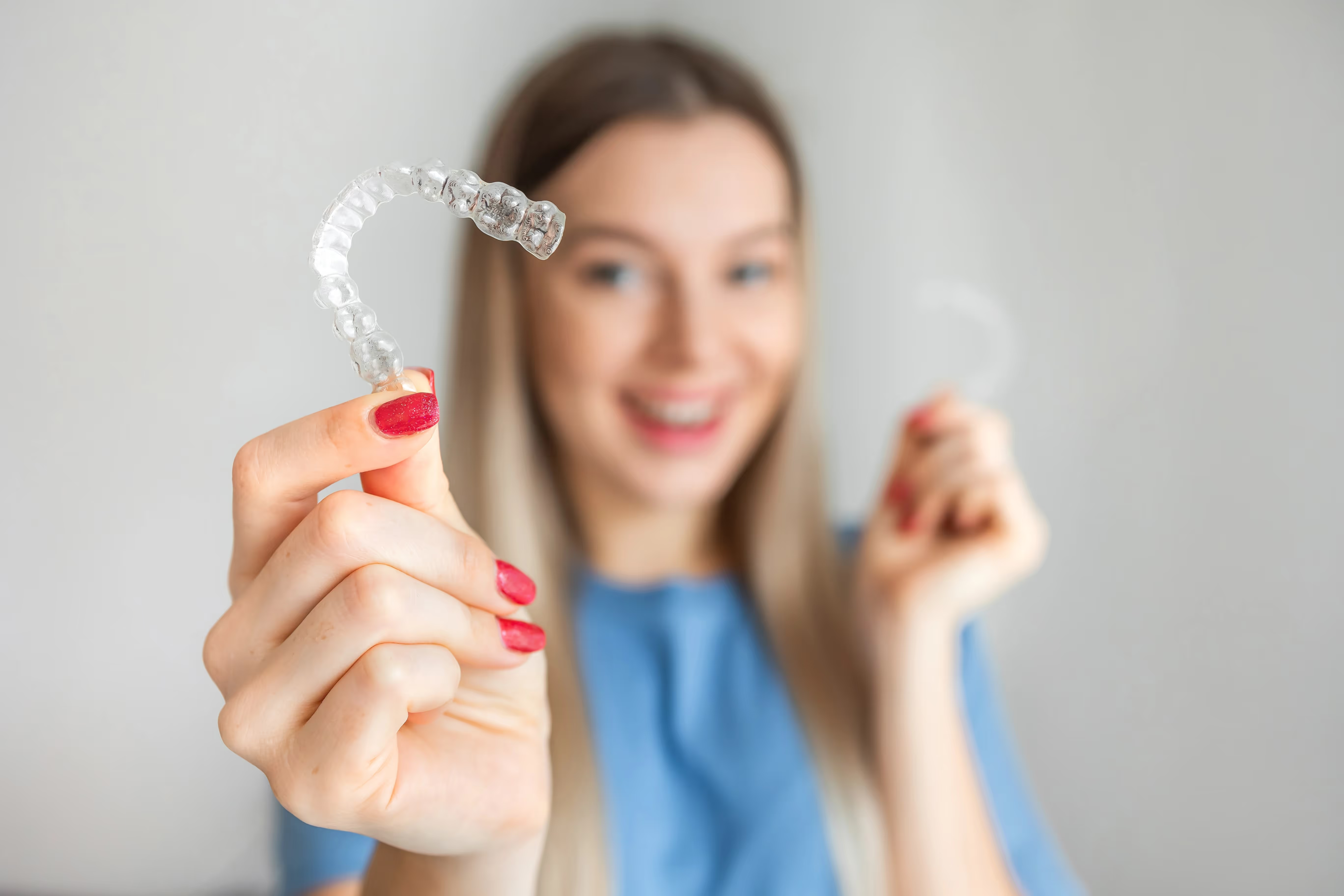
During the first 3 months after finishing Invisalign, your teeth are still stabilizing in their new positions. You should wear your retainer full-time - day and night - removing it only to eat and brush your teeth.
This consistent wear allows the bone and surrounding tissues to adapt, helping secure your teeth in place.
After this phase, you’ll transition to nighttime-only wear, which should continue long-term to maintain your results.
Why Teeth Shift (Even If You Don’t Notice It)
Teeth shifting is more common than most people think. Even after successful treatment, natural forces continue to affect your alignment.
One major factor is grinding or clenching. In fact, over 85% of the population does this, most without any knowledge or awareness of doing so.
These unconscious habits place constant pressure on your teeth, which can gradually move them out of alignment if retainers are not worn consistently.
Retainer Wear and Tear: Why Your First Set Wears Out Faster
Retainers are designed to hold your teeth in place, but they naturally wear down over time.
This is especially true for your first set of retainers, because you’ll be wearing them 22 out of 24 hours per day during the initial phase.
Because of this heavy usage, stretched retainers can commonly happen to your first tray, reducing their effectiveness at maintaining alignment.
If your retainer feels loose, it may no longer be doing its job properly - and that’s when replacement becomes necessary.
Every 6 Months: Check Your Retainers
A simple habit can help prevent bigger issues - check your retainers every 6 months.
If you have a backup set, try it on. If the backup feels tighter than your current retainer, it’s a clear sign your current one has stretched and should be replaced.
Many patients choose Vivera® retainers, which come in multiple sets. Having backups gives you peace of mind and helps prevent interruptions in wear.
When You Need New Retainers
You should consider replacing your retainers if:
- They feel loose or no longer fit snugly
- They appear worn, cracked, or cloudy
- You’ve lost your current set
- Your backup retainer feels noticeably tighter
Being proactive about replacement helps prevent unwanted shifting and protects your smile long-term.
If needed, your dental provider can create new retainers or rescan your teeth to ensure a perfect fit.
Cleaning Your Retainers Properly
Keeping your retainers clean is essential for both oral hygiene and comfort.
Here are simple daily care tips:
- Rinse with water after removing
- Gently brush with a soft toothbrush
- Avoid hot water, as it can warp the plastic
- Store them in a protective case when not in use
You can also bring your retainers to your dental visits for professional cleaning, which helps keep them clear and fresh.
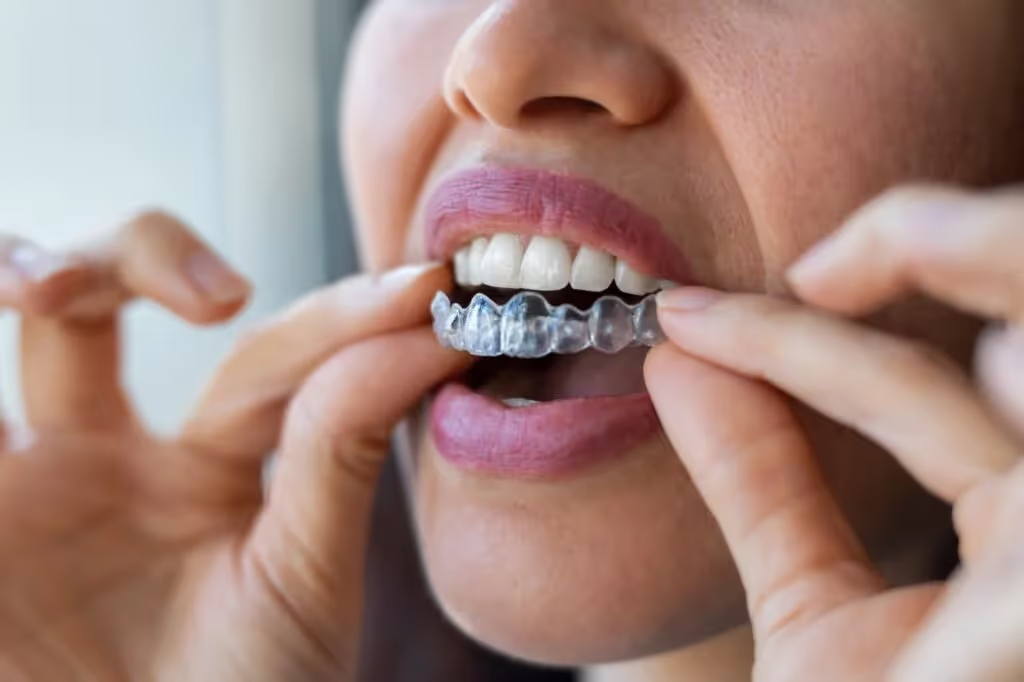
Long-Term Retainer Use: A Lifetime Habit
Many patients ask how long they need to wear their retainer.
The answer is simple - as long as you want to keep your smile straight.
Teeth can shift at any age, which is why long-term nighttime wear is strongly recommended. Think of your retainer as part of your daily routine, just like brushing your teeth.
Consistency is what protects your investment and keeps your smile looking its best.

Final Thoughts
Your Invisalign journey doesn’t end when treatment is complete - it transitions into maintenance.
By following these retainer instructions, you can protect your results and enjoy a confident, long-lasting smile. Small daily habits make a big difference over time.
You should wear it 20-22 hours per day for the first 3 months.
Nighttime wear is recommended long-term to maintain your results.
Your teeth can shift back toward their original position.
If it feels loose or your backup feels tighter, it may be stretched.
Because it is worn almost full-time, around 22 hours per day.
Yes, teeth can shift at any age without consistent retainer use.
Rinse, brush gently, and avoid hot water.
Contact your dental provider as soon as possible for a replacement.
Yes, over 85% of people grind or clench their teeth without realizing it.
Yes, having backups helps prevent gaps in wear and protects your results.